


Füzérradvány, Károlyi-palace
Contact us
Address: H-3993 Füzérradvány, gróf Károlyi Ede út 1. (Street)
269 kilometres from Budapest.
Opening Hours
SUMMER opening hours
1 April – 31 October
Tuesday to Sunday 10 a.m.-6 p.m.
Closed on Mondays
WINTER opening hours
1 November – 31 March
Tuesday to Sunday 9 a.m.-5 p.m.
Closed on Mondays
We are open on national holidays.
Guided Tour Park
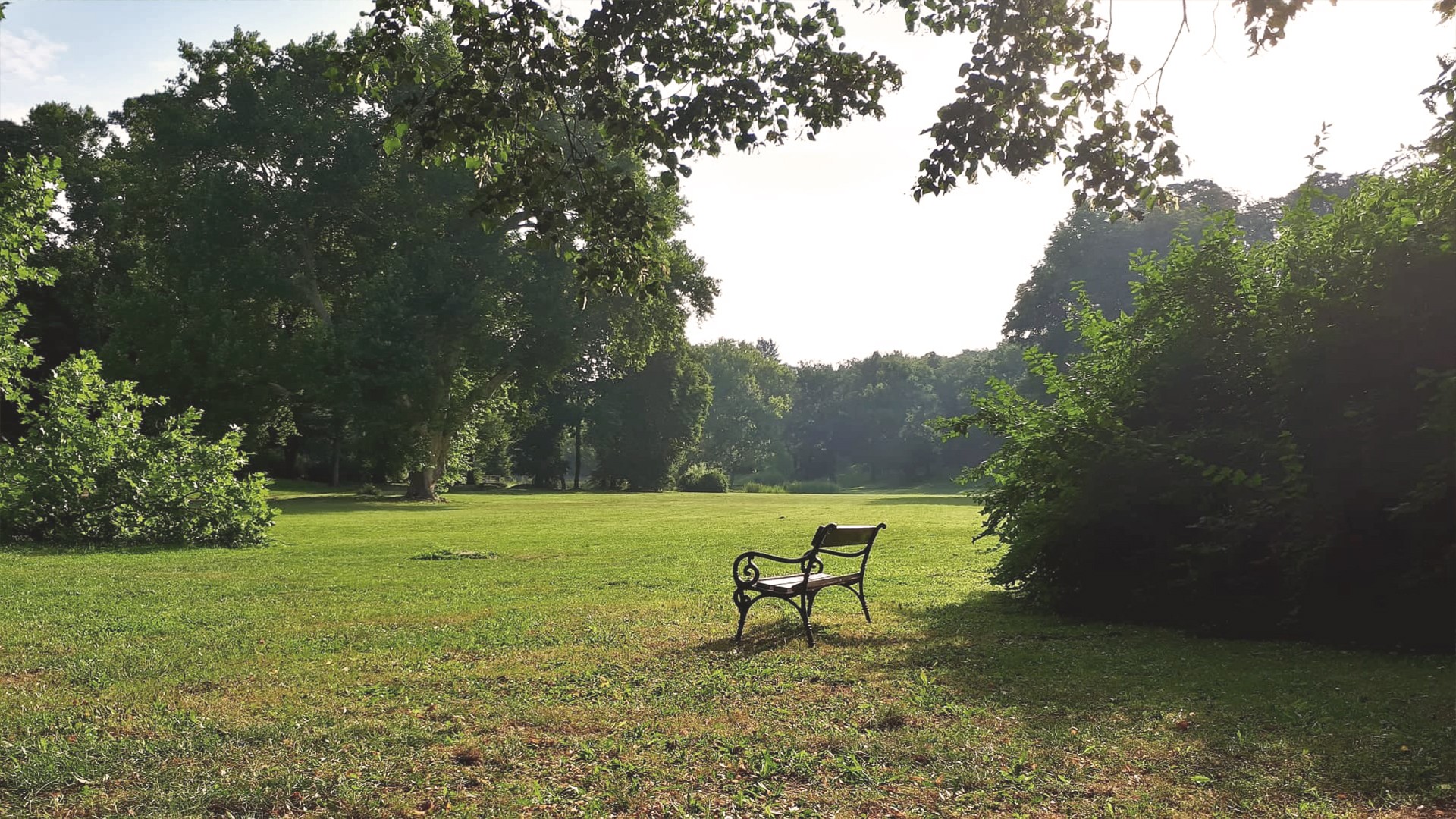
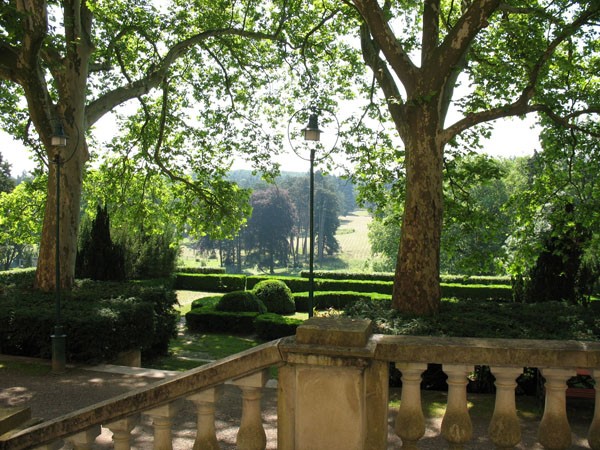
With its wide-spreading lime trees, multi-trunked tulip trees and pyramidal English oaks, the palace park is one of the most unique historical gardens of Hungary, with a special climate and an unmatched atmosphere and many intersecting paths. Visitors to the palace garden can take advantage of a guided park tour.
OPENING HOURS:
Winter opening hours: 8 a.m.-6 p.m. (from 31 October)
Summer opening hours: 7 a.m.-8 p.m. (from 1 April)
Registration:
06/70/902-3212.
Individual appointments can be arranged till 12 p.m. on Fridays.
Ticket prices:
Adult ticket: HUF 1500 per head
Student and senior citizen tickets: HUF 750 per head
History
The area of the palace park had been an integral part of the mountainous landscape for centuries. Ordinary arenas of the Károlyis’ (or their tenants) and the serfs’ farming activities were the arable lands, meadows, cabbage gardens, orchards, woods, cart paths and springs. This condition changed during the 1850s. Ede Károlyi, who was working on the reconstruction of the palace, dreamed of an upscale park around it, following the fashion of the era. The area, formerly of agricultural and forestry importance, had become a romantic English park in a decade. Hills, valleys, springs, and flowing waters were given new roles. The significance of the space from then on was determined by the experience of looking at the palace and the view from the palace itself.
The mountainous landscape provided excellent conditions for the construction of an English, i.e. landscape park. The Pajna Hill and the Korom Mountain, the water washes and clearings around the palace made it become the most picturesque Károlyi estate. To further strengthen its picturesque character, the former terraces were made to be more sloping, clearances were cut in the woods, new roads were created and ornamental plants were planted next to the native trees and shrubs. It was during this period that the famous plane trees, which have now developed into giants, were planted along the banks of the brook. A few old horse chestnut trees near the palace are of a similar age, and the Paulownia tree, planted at the same time, has since grown two new seedlings. The two most spectacular elements of the transformed landscape are the fishpond created by the construction of a dam, and the sparse pine allee that can still be seen today, for which the count himself had the pine seedlings brought from France. In addition to the pálinka (“fruit brandy”) brewery and the stables, some new outbuildings were built in the park. These included a small building called Banquet House on the hill above the village, which served both as the home of the vineyard guard and a viewpoint as well.
However, the agricultural role of the estate, which was placed in the service of the aristocratic way of life and hospitality, did not disappear completely, it only shifted in the landscape. The former apple and plum orchards were relocated farther away from the palace. A smaller orchard, with some old varieties in it, can still be found in the section of park by the village.
