Fenékpuszta Manor
Fenékpuszta
The Fenékpuszta stud farm of the Festetics family was one of the most important centers of Hungarian horse breeding and equestrian sport in the 19th century. After a turbulent past, the once internationally renowned estate reopened in December 2023 as a complex leisure center. In its authentic setting, the Fenékpuszta Estate evokes the golden age of the Festetics family and their traditions of horse keeping.
For event-related inquiries, please contact: rendezveny@nof.hu
Contact
Address: 8360 Fenékpuszta 1.
Phone: +36 30 645 7326
Email: fenekpusztaimajorsag@nof.hu
Lost and Found
If you have lost a personal item, you can inquire using the contact details below:
Phone: +36-30/645-7326
Email: fenekpusztaimajorsag@nof.hu
Items found on the premises can be collected at the ticket office.
To help with identification, please provide as detailed a description of the lost item as possible.
Opening Hours
Spring (March 1 – May 31)
Tuesday – Sunday: 10:00 – 17:00
Ticket office closes at 16:30
Summer
June 1 – June 30: Monday – Sunday 10:00 – 17:00 (ticket office closes at 16:30)
July 1 – August 31: Monday – Sunday 10:00 – 18:00 (ticket office closes at 17:30)
Autumn (September 1 – November 30)
Tuesday – Sunday: 10:00 – 17:00
Closed on November 1
Ticket office closes at 16:30
Winter (December 1 – February 28)
Tuesday – Sunday: 10:00 – 17:00
Ticket office closes at 16:30
Gift Shop
The gift shop can be visited during general opening hours without a ticket.
Café
The café can be visited during general opening hours without a ticket.
Castle Park
The park and ornamental courtyard belonging to the castle can be visited during opening hours without a ticket.
Ticket Prices
Adult ticket: 3,900 HUF
Local residents: 1,000 HUF
(with address card from Fenékpuszta or Keszthely)
Discounted ticket: 1,950 HUF
- Youth aged 6–26
- Visitors aged 62+
- Close relatives accompanying at least two children under 18
Combined ticket (Fenékpuszta Estate + Festetics Palace in Keszthely, aristocratic interiors + 5 exhibitions):
- Adult: 9,500 HUF
- Discounted: 4,750 HUF
Group guided tour (Hungarian): 15,000 HUF/group
- Group discounts apply for pre-registered groups of at least 15 people.
- Please notify your visit at least one week in advance. Maximum group size for guided tours: 30 people, duration: 1 hour 45 minutes.
Museum education programs: detailed pricing available in our information materials.
Free Admission
- Children under 6
- Visitors aged 70+
- Visitors with disabilities and one companion
- Holders of a professional pass issued by the minister
- Teachers in public education and vocational training
- Members of national professional museum organizations (min. 400 members)
Proof of eligibility is required.
Dogs and pets (except assistance dogs) are not allowed in the exhibition areas.
Journalist ID cards no longer grant free entry. Free access is only granted to journalists who register in advance and receive permission for interviews or filming.
Additional cases are governed by Hungarian legislation (Government Decree 194/2000).
Discounts are available to citizens of EEA countries.
Prices may change during the year or for special events.
Payment Options
Tickets can be purchased with cash or card (including SZÉP card).

Accessibility & Getting There
Location: About 6 km from Keszthely on Road 71 toward Balatonszentgyörgy. Signs indicate the entrance.
Public transport: Bus stop from Keszthely is a 3-minute walk from the entrance.
Parking
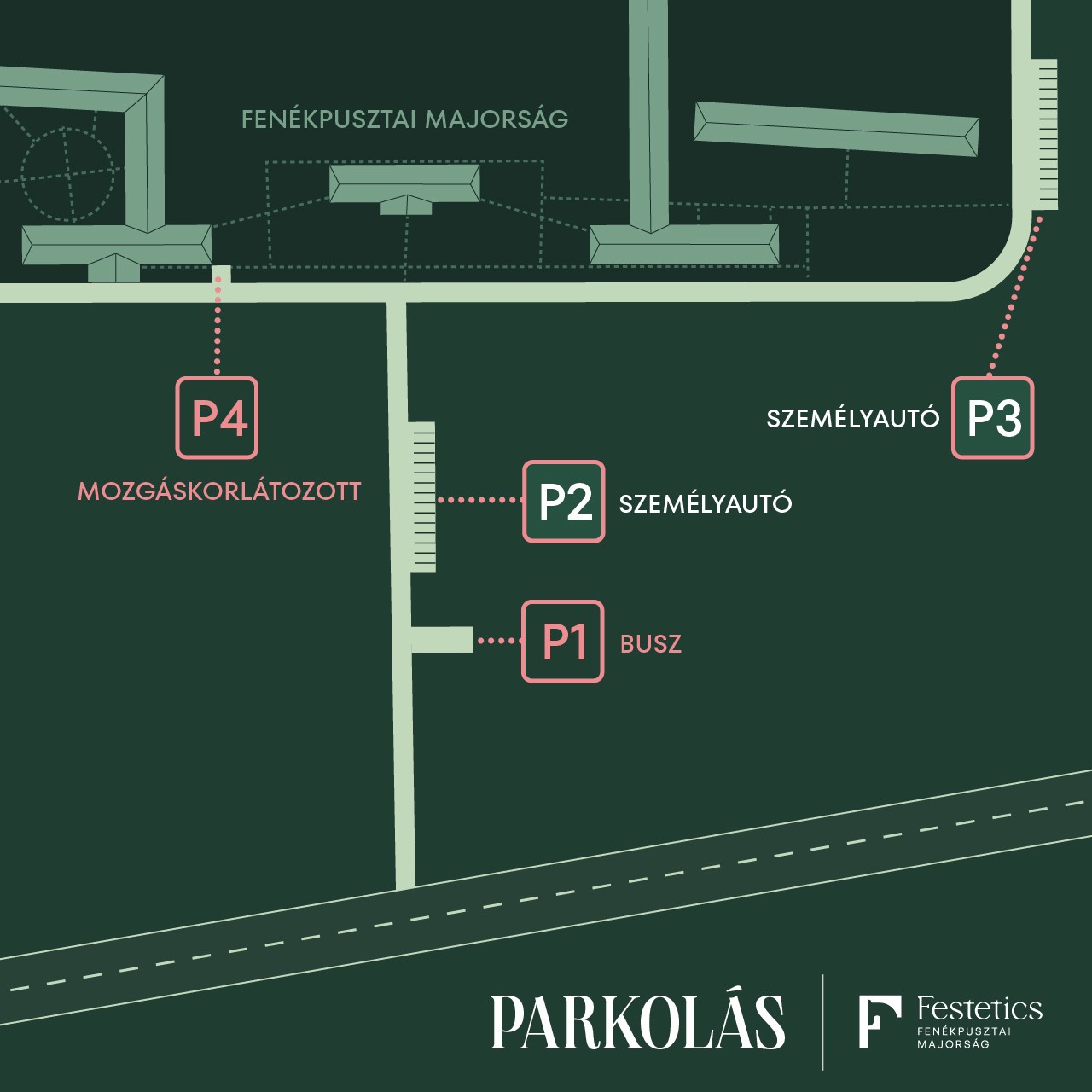
Free parking is available for cars and buses. Designated accessible parking spaces are provided. Exhibition areas are accessible via paved walkways suitable for wheelchairs.
Accessibility
For visitors with reduced mobility:
Four exhibition areas are accessible. Exception: the upstairs “Count’s Room” in the small palace is not wheelchair accessible.
For hearing-impaired visitors:
Exhibitions include numerous written information panels with clear and detailed explanations.
Exhibition
The ground floor of the small palace presents the relationship between the Festetics family and horse breeding. Upstairs, portraits of five generations of the family are displayed in the Count’s Room.
The Mare Stable has been transformed into a multifunctional community space for events and temporary exhibitions, with stalls for 12 horses.
The Calf and Cattle Stables house an equestrian museum. The Memorial Museum presents the history of the Fenék stud and the Festetics family’s horse breeding and racing traditions through both classical and interactive exhibits.
History
The site originally hosted the Spanish Riding School of the Viennese court, purchased by the Festetics family in 1739 to establish a renowned European stud farm.
The golden age of the estate dates to the late 18th–early 19th century, during the time of Count Tasziló Festetics II. The stables and servants’ quarters were built then, and the small palace was completed by 1820.
The Pine Avenue was created in 1894, allowing direct carriage access from the main palace. Horse breeding continued here until 1938. Afterwards, the site housed a flax mill, hemp factory, and later an agricultural cooperative.